Why Costa Rica Is a Trusted Destination for U.S. Travelers

Costa Rica has long been one of the most attractive destinations in Latin America for travelers from the United States. Its tropical landscapes, rich biodiversity, welcoming culture, and well-developed tourism infrastructure have made it a favorite choice for families, couples, nature lovers, adventure seekers, and travelers looking for a meaningful escape.

But beyond its beaches, volcanoes, rainforests, and wildlife, Costa Rica also offers something especially valuable for international travelers: confidence. For U.S. visitors planning a vacation abroad, trust matters. They want to know that the destination they choose is accessible, stable, organized, and supported by reliable information.

Official U.S. government sources continue to describe Costa Rica as a strong democratic partner of the United States, with deep bilateral ties and a long-standing relationship based on shared priorities. This context reinforces what many travelers already feel when they visit the country: Costa Rica is not only beautiful, but also one of the most established and internationally connected destinations in the region.

A Strong Relationship Between Costa Rica and the United States

The U.S. Department of State describes Costa Rica as a strong democracy and an important partner of the United States. The relationship between both countries includes cooperation in areas such as economic development, security, environmental priorities, and regional stability.

For travelers, this matters because it reflects a broader environment of trust, communication, and institutional connection. Costa Rica is not an isolated destination. It is a country with a long history of welcoming U.S. citizens, working with international partners, and maintaining strong diplomatic and commercial relationships.

This makes Costa Rica a natural choice for travelers who want to experience the beauty of Central America while choosing a destination with an established reputation.

Easy Access for U.S. Travelers

Costa Rica is also highly accessible for U.S. visitors. According to official U.S. government travel information, U.S. citizens do not need a tourist visa to enter Costa Rica for short-term stays, as long as they meet the standard entry requirements, including a valid passport and proof of onward or return travel.

This makes planning a vacation significantly easier. Whether the trip is a family holiday, a honeymoon, a nature-focused itinerary, or a customized multi-day journey across the country, Costa Rica remains a practical and convenient option for U.S. travelers.

With frequent flight connections, a familiar tourism environment, and a wide variety of accommodation and activity options, the country offers the right balance between adventure and comfort.

A Destination Known for Nature, Stability, and Authentic Experiences

Costa Rica’s international reputation is closely connected to its natural wealth. Few countries offer such a concentrated variety of ecosystems in such a small territory. In one trip, visitors can explore cloud forests, tropical beaches, volcanoes, wildlife reserves, hot springs, rivers, national parks, and rural communities.

This diversity allows each traveler to experience Costa Rica differently. Some come for soft adventure and scenic landscapes. Others come for birdwatching, wildlife photography, wellness, beaches, culture, or immersive nature experiences.

Costa Rica is also widely recognized for its commitment to sustainability and conservation. For travelers who want their vacation to feel more meaningful, this creates a strong emotional connection. A trip to Costa Rica is not only about visiting beautiful places; it is about experiencing a country where nature is part of everyday life.

Travel with Awareness, Not Fear

Like many popular international destinations, Costa Rica requires travelers to use common-sense precautions. The U.S. Department of State currently advises U.S. citizens to exercise increased caution when visiting the country, mainly due to crime. This does not mean that travel is prohibited. It means travelers should stay informed, follow practical safety recommendations, and plan responsibly.

For most visitors, this is exactly where working with an experienced local travel company becomes valuable.

A well-planned trip helps travelers avoid unnecessary uncertainty. It allows them to move through the country with better timing, trusted transportation, carefully selected hotels, reliable local partners, and activities that match their interests and comfort level.

At CRS Tours, our role is to help travelers experience Costa Rica with confidence. We design personalized itineraries that combine the country’s natural beauty with practical local knowledge, so every journey feels inspiring, organized, and well-supported.

Why Travel with CRS Tours?

Costa Rica is a destination full of possibilities, but that also means planning can feel overwhelming. Which region should you visit first? How many nights should you spend in each place? Should you combine rainforest and beach? Is it better to rent a car or use private transportation? Which activities are worth including, and which ones fit your travel style?

CRS Tours helps answer those questions with local expertise and personalized service.

Instead of offering a generic vacation package, we help create a trip that fits each traveler’s expectations. Whether the goal is relaxation, adventure, wildlife, culture, romance, family time, or a deeper connection with nature, our team can design an itinerary that makes sense from beginning to end.

Costa Rica is a country best enjoyed with good planning. Distances, weather, road conditions, activity schedules, and regional differences can all influence the quality of the trip. With CRS Tours, travelers benefit from local knowledge before and during their journey.

Costa Rica Is Ready to Welcome You

For U.S. travelers looking for a destination that combines nature, accessibility, adventure, and a strong relationship with the United States, Costa Rica remains one of the most appealing choices in the region.

It is a place where travelers can wake up to the sounds of the rainforest, walk along volcanic trails, watch wildlife in its natural habitat, relax by the ocean, enjoy warm hospitality, and return home with memories that feel personal and lasting.

Costa Rica invites you to travel with curiosity, awareness, and confidence.

And with CRS Tours, your journey can be planned with the care, local experience, and attention to detail that a meaningful vacation deserves.

Start planning your Costa Rica experience with CRS Tours and discover why this small country continues to leave such a lasting impression on travelers from around the world.

Slow Travel in Costa Rica: Why Taking Your Time Makes the Trip Better

What could be better than traveling with enough time to actually enjoy the place?

Costa Rica is not the kind of destination that should be rushed. Yes, it is a small country, and that sometimes makes people think they can see everything in one trip. But the truth is different. Between volcanoes, rainforests, beaches, mountain roads, national parks, wildlife, small towns and local culture, Costa Rica is better when you slow down.

That is exactly where slow travel makes sense.

Instead of trying to visit a long list of places in record time, many travelers today prefer to experience fewer destinations in a more real and relaxed way. They want to stay a little longer, wake up without rushing, walk with a guide, talk to locals, enjoy the hotel, taste local food and actually feel where they are.

At CRS Tours, we believe Costa Rica is perfect for that kind of trip.

What is slow travel?

Slow travel means visiting fewer places, but enjoying them with more depth.

It is not about doing nothing. It is about traveling with better rhythm.

Instead of spending most of your trip packing, checking out, driving and arriving tired to the next hotel, slow travel gives you time to connect with each region.

In Costa Rica, that can mean staying three nights in the rainforest instead of one. Or adding an extra morning near Arenal Volcano to visit a local farm, take a cooking class, enjoy the hot springs or simply watch the clouds move over the volcano.

It can also mean not planning every hour of the day. Sometimes the best travel moments happen in the quiet spaces between activities.

Why is Costa Rica ideal for slow travel?

Costa Rica is ideal for slow travel because nature here needs time.

Wildlife does not appear just because we arrive. Rainforest trails are better when walked slowly. Birds are easier to spot early in the morning. Small lodges are more enjoyable when guests have time to sit, listen and observe.

Costa Rica also has many altitude changes, microclimates and road conditions that make travel more active than it looks on a map. A short distance can still take time, especially when crossing mountains or traveling between remote areas.

So, instead of treating Costa Rica like a checklist, it is better to experience it as a sequence of regions, each with its own pace.

Is Costa Rica an active destination?

Yes. Costa Rica is usually an active vacation destination.

Even if you are not doing extreme adventures, the country naturally invites movement. You may walk through national parks, cross hanging bridges, hike to waterfalls, visit volcano areas, explore beaches, paddle rivers or wake up early for birdwatching.

The tropical climate can also make activities feel more demanding, especially in humid regions.

That is why rest matters.

A well-designed itinerary should not only include tours. It should also include time to recover, enjoy the hotel, take a good breakfast and move at a rhythm that feels pleasant.

Why should you stay longer in each destination?

Staying longer lets you see more without feeling rushed.

If you only stay one night in a region, you are basically arriving, sleeping and leaving. With two or three nights, the experience changes. You can do a guided activity, enjoy the hotel, explore a local restaurant, rest during the rain and still have time for an unexpected moment.

In Costa Rica, those unexpected moments are often the best ones.

A toucan near your balcony. Monkeys crossing the trees. A conversation in a small soda. A quiet beach with almost no one around. A rainy afternoon from a covered terrace. A local guide showing you an animal you would never have seen on your own.

Those things need time.

How does slow travel improve wildlife experiences?

Wildlife watching in Costa Rica requires patience.

Many animals are perfectly camouflaged. Sloths can look like part of a tree. Frogs can hide under leaves. Birds may appear for only a few seconds. Monkeys may be heard before they are seen.

This is one of the reasons why hiring a local naturalist guide can add so much value to your trip. A good guide does not just point at animals. They explain behavior, habitat, sounds, tracks, plants and the relationship between the forest and its species.

Costa Rica protects a significant part of its territory through national parks, reserves and wildlife areas, and the country is recognized internationally for conservation. You can read more about Costa Rica’s protected areas through SINAC, the National System of Conservation Areas.

What kind of experiences fit slow travel in Costa Rica?

Slow travel in Costa Rica works very well with nature, culture, food and local traditions.

Some good examples are:

A guided rainforest walk in Sarapiquí.
A cooking class near Arenal Volcano.
A visit to a traditional oxcart workshop in Sarchí.
A birdwatching morning in the cloud forest.
A coffee experience in the Central Valley.
A local market visit during the weekend.
A relaxed beach stay during the green season.
A rural lodge where the hotel itself becomes part of the experience.

These activities are not always the most famous ones, but they often create the strongest memories.

For example, Sarchí is well known for Costa Rica’s traditional painted oxcarts, one of the country’s most recognizable cultural symbols. The Costa Rican oxcart tradition is also recognized by UNESCO as part of the country’s intangible cultural heritage: UNESCO – Oxcart and Oxherding Traditions in Costa Rica.

Why wake up early in Costa Rica?

In Costa Rica, nature wakes up early.

The sun usually rises around 5:00 a.m. to 6:00 a.m., depending on the season and region. This makes early mornings one of the best times for birdwatching, wildlife observation and cooler walks.

If you are willing to wake up early, you may be rewarded with birds, monkeys, soft light, fresh air and a quieter version of the destination.

Then, later in the day, especially during the green season, you can slow down. A rainy afternoon is not always a problem. In many lodges, it becomes part of the experience: coffee, a hammock, a covered terrace and the sound of rain in the forest.

Is the green season a good time to visit Costa Rica?

Yes. The green season can be a very good time to visit Costa Rica, especially for travelers who want fewer crowds, greener landscapes and better value.

Costa Rica’s green season usually runs from May to November, while the dry season is generally from December to April. Costa Rica Experts – Best Time to Visit Costa Rica

During the green season, mornings are often pleasant, and rain is more common in the afternoon or evening, depending on the region. Of course, weather can vary, but many travelers enjoy this period because the country looks lush, hotels are quieter and prices can be more attractive.

It is also a good time to design a more relaxed itinerary instead of moving every day from one destination to another.

What are the advantages of traveling in the green season?

The green season can offer several advantages:

Fewer crowds in popular areas.
More attractive hotel rates.
Greener landscapes.
Better availability in boutique lodges.
Good conditions for photography.
A more relaxed travel rhythm.
Opportunities to stay longer for a better price.

In some inland regions, hotels may offer promotions such as a third night free when booking two nights. In beach destinations, where travelers usually stay longer, some hotels may offer a fourth night free when booking three.

These offers vary by hotel, season and availability, but they can make slow travel much more accessible.

What is a feria del agricultor?

A feria del agricultor is a local farmers’ market.

In Costa Rica, many towns have weekly ferias where farmers and local vendors sell fruits, vegetables, cheese, flowers, plants, traditional food and other products.

For travelers, this is a simple but valuable cultural experience. You can see what people actually buy, taste seasonal fruit, hear local conversations and understand daily life in a more natural way.

The official National Farmers’ Market Program is supported by Costa Rican law and operates throughout the country. You can find more information through the Junta Nacional de Ferias del Agricultor.

What is a soda in Costa Rica?

A soda is a small local restaurant.

It is usually casual, affordable and family-run. Sodas are great places to try traditional Costa Rican food such as casado, gallo pinto, rice with chicken, soups, natural juices and local desserts.

If you speak some Spanish, a soda can also become more than a place to eat. It can become a place to listen, talk and understand Costa Rican daily life.

That is part of the charm of slow travel. You are not only passing through places. You are giving yourself enough time to notice them.

Why does slow travel feel more authentic?

Slow travel feels more authentic because it gives you time to pay attention.

When you travel too fast, Costa Rica can become a sequence of transfers, hotel rooms and quick tours. But when you slow down, you start noticing the small things.

The smell of fresh coffee in the morning.
The sound of rain on a metal roof.
The way people say “Pura Vida.”
The patience of a guide looking for a hidden bird.
The taste of homemade jam at a small lodge.
The quietness of a beach outside the busiest season.
The stories of people who live in rural communities.

Those details are hard to schedule, but they are often what travelers remember most.

Is slow travel more expensive?

Not always.

In many cases, slow travel can be more efficient because you reduce the number of transfers and take better advantage of hotel promotions. During the green season, special rates and stay-more-pay-less offers can help create very attractive itineraries.

Also, the money saved on lodging or transportation can be used to improve the trip: a private guide, a special experience, a better room category, a cooking class, a cultural visit or a more comfortable car rental.

That is why slow travel is not necessarily about spending more. It is about spending better.

How can CRS Tours help plan a slower Costa Rica trip?

A good slow travel itinerary needs balance.

It should not be empty, but it should not be overloaded either. It should combine nature, culture, rest, logistics and the right amount of movement between regions.

At CRS Tours, we can help design a custom Costa Rica itinerary based on your interests, travel dates, rhythm and budget. Whether you want rainforest, volcanoes, beaches, wildlife, culture, boutique hotels, family travel or a more relaxed green season experience, we can help put the right pieces together.

Costa Rica has enough beauty to fill many trips. You do not have to see everything at once.

Sometimes, the best way to enjoy Costa Rica is to choose fewer places, stay a little longer and let the country reveal itself at its own pace.

Ready to plan your own Costa Rica adventure?

If you are thinking about traveling to Costa Rica, we would be happy to help you create a personalized itinerary.

Tell us what kind of trip you have in mind, how much time you have and what type of experiences you enjoy most. Our team can help you design a journey that feels natural, balanced and truly yours.

Costa Rica is not a destination to rush.

It is a destination to feel.


By Jan Centen –  CRS Tours Travel Experts
Updated on May 28, 2026

Things You Probably Didn’t Know About Costa Rica

There are some things about Costa Rica that many travelers do not know before arriving. Some are cultural, some are practical, and others simply explain why this small country feels so different from many other destinations.

So, if you are planning a trip to Costa Rica, here are a few useful and curious facts that may help you understand the country a little better.

Why are Costa Ricans called Ticos?

Costa Ricans often call themselves Ticos and Ticas. “Tico” is used for men and “Tica” for women.

It is not a formal word, but it is used with pride. You will hear it everywhere: in conversations, in advertising, in tourism, in sports and in everyday life.

The word is also connected to the friendly and relaxed way Costa Ricans speak Spanish. In Costa Rica, people often use diminutives like “momentico” or “cafecito,” and that way of speaking became part of the country’s identity.

How do last names work in Costa Rica?

Costa Ricans usually have two last names.

Traditionally, the first last name came from the father and the second from the mother. For example, if the father’s first surname is Rodríguez and the mother’s first surname is Mora, the child would commonly be registered as Rodríguez Mora.

A wife does not automatically take her husband’s last name after marriage. In daily life, some people may use their spouse’s name socially, but legally each person keeps their own surnames.

In recent years, Costa Rica also moved toward more flexibility in the order of surnames, allowing people to choose the order rather than making the father’s surname first by default. Source: AP News

Why do radio stations play the Costa Rican national anthem?

Costa Ricans have a strong sense of national identity, and the national anthem is part of daily culture.

For many years, radio stations played the anthem early in the morning, usually around 7:00 a.m. In public schools, it is also common for students to sing it during civic events and special national celebrations.

The National Anthem of Costa Rica is called “Noble patria, tu hermosa bandera.” Its music was first adopted in 1852, and the lyrics became official later. Source: Encyclopaedia Britannica / National Anthem reference

What does Pura Vida mean?

Pura Vida literally means “pure life,” but in Costa Rica it means much more than that.

You can use it to say:

“Hello.”
“I’m fine.”
“Everything is good.”
“Thank you.”
“Goodbye.”
“No problem.”

So, if someone asks you “¿Cómo está?”, you can simply answer “Pura Vida.”

It is not just a phrase for tourists. Costa Ricans really use it in everyday life, and it reflects a relaxed, positive and friendly way of seeing things.

How big is Costa Rica?

Costa Rica is a small country, but it has a lot packed into a compact territory.

The country has an area of about 51,100 km², which makes it slightly larger than Switzerland. Source: United Nations Costa Rica Country Facts

Even with its small size, Costa Rica has coastlines on both the Pacific Ocean and the Caribbean Sea. That means travelers can experience beaches, volcanoes, rainforests, cloud forests, rivers and mountains without needing long domestic flights.

Why is Costa Rica so biodiverse?

Costa Rica is one of the most biodiverse countries in the world.

Although it represents only a tiny portion of the planet’s surface, Costa Rica is home to around 6% of the world’s biodiversity, according to the official tourism board. Source: Visit Costa Rica

That is one of the main reasons why travelers come here for wildlife, birdwatching, rainforest hikes, national parks and nature photography.

You can find monkeys, sloths, toucans, hummingbirds, frogs, sea turtles, whales and hundreds of bird species, depending on the region and season.

Read about Responsible Tourism in Costa Rica.

What is a “soda” in Costa Rica?

In Costa Rica, a soda is not only a soft drink. It is also the name for a small local restaurant.

Sodas are usually simple, casual and affordable. They are one of the best places to try traditional Costa Rican food without paying tourist-restaurant prices.

What food can you eat in a Costa Rican soda?

Costa Rican food is usually based on rice, beans, vegetables, plantains, salad and a protein such as chicken, beef, pork, fish or eggs.

Common dishes include:

Casado: rice, beans, salad, plantains and a protein.
Gallo pinto: rice and beans mixed together, often eaten for breakfast.
Olla de carne: a traditional beef and vegetable soup.
Arroz con pollo: rice with chicken, vegetables and spices.
Chifrijo: rice, beans, pork, pico de gallo and tortilla chips.

A simple tip: if a soda is full of locals, that is usually a good sign.

Does Costa Rica have an army?

No. Costa Rica does not have a standing army.

After the 1948 civil war, Costa Rica made the historic decision to abolish its army. This was later formally included in the 1949 Constitution, which states that the army as a permanent institution is outlawed. Source: UNESCO Memory of the World

This is one of the facts Costa Ricans are most proud of. Instead of maintaining a permanent army, the country has focused heavily on education, health, democracy and conservation.

What are speed bumps called in Costa Rica?

Speed bumps are very common in Costa Rica, especially near schools, towns, residential areas and rural roads.

Many people call them “muertos,” which literally means “dead people” in Spanish. The name is informal, but you will hear it often.

Some of them are painted yellow, some are not very visible, and some can feel surprisingly high. So, when driving in Costa Rica, it is better to slow down before entering small towns or areas with pedestrians.

Is it normal to see someone with a machete in Costa Rica?

Yes, especially in rural areas.

A machete is not necessarily a weapon in Costa Rica. For many farmers and workers, it is a basic everyday tool. It is used for cutting grass, working on farms, cleaning paths, harvesting, cutting banana plants or working in coffee plantations.

So, if you see someone walking with a machete in the countryside, it is usually nothing to worry about.

Why is Costa Rica famous for eco-tourism?

Costa Rica is one of the world’s most recognized eco-tourism destinations.

The country protects around a quarter of its territory through national parks, biological reserves, wildlife refuges and other protected areas. The official tourism board states that the National System of Conservation Areas protects about 25% of the national territory. Source: Visit Costa Rica

This is why Costa Rica is such a good destination for travelers who want nature, wildlife and outdoor experiences without feeling too far from comfortable hotels and professional tourism services.

Why is the Nicoya Peninsula famous?

The Nicoya Peninsula is famous because it is considered one of the world’s Blue Zones.

A Blue Zone is an area where people tend to live longer and healthier lives. In Costa Rica, this includes several cantons in Guanacaste, such as Nicoya, Santa Cruz, Carrillo, Hojancha and Nandayure. Source: Visit Costa Rica

Many people connect this longevity with a mix of lifestyle, food, family, community, physical activity, sunshine and the Costa Rican idea of “Pura Vida.”

What does “rojo” mean in Costa Rica?

In Costa Rica, a rojo means a 1,000 colones bill.

The word “rojo” means “red,” and it is used because the 1,000 colones banknote has traditionally been associated with that color.

So, if someone says something costs “cinco rojos,” it means it costs 5,000 colones.

It is useful to know this before visiting local restaurants, markets or small shops.

Why are addresses in Costa Rica so different?

Addresses in Costa Rica can feel unusual for visitors.

Instead of only using street names and numbers, many people still give directions based on landmarks, distances and turns.

For example:

500 meters north and 100 meters east from the old theatre, San José.

Or:

5 blocks north and 1 block east from the old theatre, San José.

A “cuadra” usually means a block, and people often estimate it as around 100 meters.

This system can sound confusing at first, but locals are very used to it. Hotels, tour operators and transportation companies usually provide clearer directions, map links or GPS coordinates.

What is “María” in a Costa Rican taxi?

In Costa Rica, the taxi meter is commonly called “María.”

If you take an official taxi, especially in San José or the Central Valley, it is a good idea to check that the María is turned on before the trip starts.

If the driver does not turn it on, you can politely ask:

“¿Puede poner la María, por favor?”

This means: “Can you turn on the meter, please?”

Official taxis in Costa Rica are usually red, with a yellow triangle on the door. In some beach towns or rural areas, fares may be agreed in advance, but in cities the meter is normally expected. Source: Costa Rica Guide

Final thoughts

Costa Rica is easy to enjoy, but it becomes even more interesting when you understand the small details behind the culture.

Words like Tico, Pura Vida, rojo, soda or María may seem simple, but they help you connect with the country in a more natural way.

And that is part of what makes traveling in Costa Rica so special. It is not only about volcanoes, beaches, rainforests and wildlife. It is also about the people, the way they speak, the way they give directions, the way they eat, and the way they live everyday life with a little more Pura Vida.

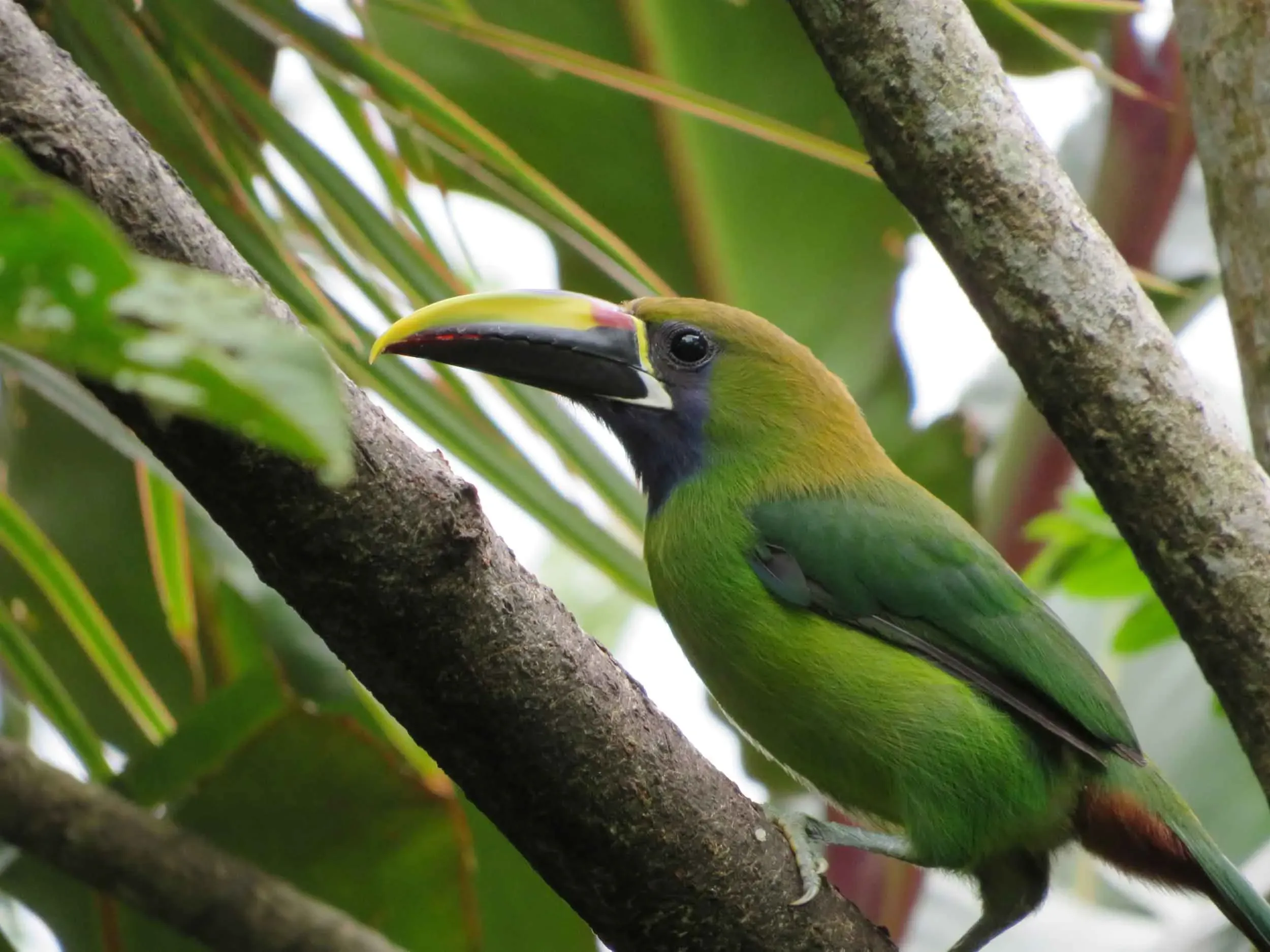
"Beautiful toucan with light green feathers and a bright yellow head perched on a branch."

Door de top-vogelgebieden van Costa Rica: hooglanden, nevelwoud en regenwoud

Deze vogelgerichte route neemt je mee langs de meest uiteenlopende vogelgebieden van Costa Rica: van de hooglanden bij Alajuela en de nevelwouden van het Los Quetzales National Park tot de laaggelegen regenwouden van Sarapiquí en Boca Tapada. Onderweg bezoek je belangrijke reservaten zoals Carara National Park, de Pacifische kust rond Uvita en het beroemde Rancho Naturalista – een waar paradijs voor vogelliefhebbers.

Of je nu hoopt de schitterende quetzal, de grote groene ara, kolibries, tangaren of zeldzame endemische soorten te zien, deze route biedt uitzonderlijke kansen om de ongelooflijke vogelrijkdom van Costa Rica te ervaren in een brede variatie aan habitats.


Ultimate Costa Rica Family Adventure

This family-friendly journey begins with your arrival in San José, before heading to the lush canals of Tortuguero, where you’ll explore rich wildlife and jungle waterways. Next, travel to La Fortuna for two days of adventure and relaxation at the base of the Arenal Volcano—visit waterfalls, and family-friendly excursions. Continue to the misty mountains of Monteverde to discover cloud forests, hanging bridges, and a unique glimpse into Costa Rica’s biodiversity. Finally, unwind with three sun-soaked days in Mal País, a laid-back beach haven known for its surfing, sunsets, and natural beauty. Return to San José for your departure, wrapping up an unforgettable Costa Rican getaway.

Scarlet macaws perched on a tree branch in the Costa Rican rainforest, representing the vibrant birdlife of the region

The Essence of Nature

This 7-day Costa Rican adventure offers an unforgettable journey through some of the country’s most iconic destinations. Begin in Alajuela, where a smooth transfer will take you to your hotel. Enjoy the natural beauty and relaxed atmosphere before heading to Isla Chiquita in Paquera for a unique glamping experience surrounded by the ocean. After exploring the island’s charm and engaging in outdoor adventures, return to Alajuela for your final nights, allowing time to unwind and explore the area before your departure. This itinerary blends relaxation, adventure, and nature, ensuring a memorable escape in Costa Rica.

Secret Trails of Costa Rica

This 11-day journey through Costa Rica offers the chance to explore some of the country’s most fascinating destinations. It begins in San José, with a smooth arrival before heading to Maquenque, a paradise for nature lovers and birdwatching enthusiasts. Next, Caño Negro awaits, a wildlife sanctuary renowned for its biodiversity and spectacular boat tours. The adventure continues in Rincón de la Vieja, where breathtaking volcanic landscapes, hot springs, and thrilling jungle experiences can be enjoyed. The journey concludes in Nosara, a coastal destination perfect for relaxation, pristine beaches, and immersion in the surf and wellness culture. With a perfect blend of nature, adventure, and relaxation, this 11-day itinerary provides an enriching way to experience the essence of Costa Rica at a leisurely pace.

Natural Treasures of Costa Rica

This 15-night Costa Rican adventure offers an unforgettable journey through some of the country’s most iconic destinations. Begin in San José, where a smooth transfer will take you to your hotel. From there, head to Alajuela to explore its rich culture and scenic landscapes. Next, visit Tenorio National Park to witness the stunning Río Celeste, followed by a stay at Maquenque, a haven for nature lovers. Then, make your way to Turrialba, where you can enjoy thrilling activities like rafting and hiking. Continue to San Gerardo, known for its cloud forests, wildlife, and breathtaking views. Next, travel to Puerto Jiménez, the gateway to Corcovado National Park, a biodiversity hotspot. Finally, return to San José for your last night. This itinerary offers a perfect blend of adventure, relaxation, and Costa Rica’s natural beauty, creating an unforgettable escape.

From Jungle to Coast: A Family Adventure in Costa Rica

This 15-day Family Adventure, Jungle to Coast, takes you from the vibrant capital of San José to the Caribbean charm of Puerto Viejo, the remote rainforests of Boca Tapada, and the volcano views of Arenal. Explore bubbling hot springs and wild trails in Rincón de la Vieja, then finish your journey on the sunny beaches of Tamarindo. A perfect mix of nature, adventure, and family fun across Costa Rica’s diverse landscapes.

Ultimate Costa Rica family Adventure and Nature

This 8-day Costa Rica Family Adventure and Nature Tour offers an unforgettable journey through some of the country’s most iconic destinations. Begin in Liberia, where a smooth transfer will take you to your hotel in Arenal. Explore the scenic northern plains and the Arenal Volcano, renowned for its thrilling activities—from white-water rafting and canopy tours to the amazing Sloth Rainforest Tour.
Continue to Monteverde’s cloud forests, home to abundant wildlife and breathtaking landscapes, before heading to Conchal, known as Costa Rica’s Gold Coast. This itinerary blend adventure, relaxation, and natural beauty, with opportunities for kayaking, surfing, and exploring Costa Rica’s diverse ecosystems. It’s the perfect combination for a memorable family escape!

Costa Rica diving

Costa Rica Diving Adventure

This itinerary begins with your arrival in SJO (San José), followed by a visit to Fortuna to experience the iconic Arenal Volcano, hot springs, and adventurous activities like zip-lining and waterfall hikes. Next, head to Flamingo for beach relaxation and water activities. Afterward, travel to Monteverde to explore the cloud forest and its wildlife. Then, continue to Uvita to experience the stunning coastline. Finally, visit the remote and wildlife-rich Drake Bay (DRA) for boat tours and wildlife encounters before returning to SJO for departure.

Culinary Trip to Costa Rica – Gourmet Travel with CRS Tours

Costa Rica for Foodies: A Unique Culinary Adventure

Costa Rica is much more than pristine beaches and lush tropical forests. For food lovers, this small country offers an incredible array of culinary experiences reflecting its rich culture and biodiversity. From the Pacific to the Caribbean, each region promises authentic flavors and unforgettable dishes. Whether you’re seeking a gourmet travel experience or an immersive Costa Rica food travel journey, this guide is for you.

Discover Authentic Flavors in Each Region

Central Valley and San José: Begin your culinary journey in the heart of the country, San José. Visit traditional markets like Mercado Central or Feria Verde de Aranjuez, where you’ll find exotic fruits, artisanal cheeses, and freshly brewed gourmet coffee. Neighborhoods such as Escalante offer contemporary restaurants and specialty cafés highlighting local, seasonal ingredients. Must-visit restaurants: Al Mercat, Silvestre, Sikwa.

Northern Pacific (Guanacaste): This region boasts flavorful Creole cuisine and traditional recipes. Try fresh seafood soup, handmade Chorotega-style tortillas, slow-cooked meats, and locally produced cheeses. Beaches like Tamarindo or Nosara host restaurants blending tradition with modern techniques. This area is ideal for a Costa Rica food travel itinerary. Recommended restaurants: Pangas Beach Club, La Luna (Nosara).

Central and South Pacific: Known for fresh seafood and tropical dishes featuring coconut. In Manuel Antonio or Quepos, don’t miss fresh ceviche or shrimp rice. Further south in Dominical and Uvita, sustainable and mindful cooking offers delicious organic dishes brimming with local flavor. Tropical fish like mahi-mahi and red snapper are often featured. Top restaurants: Emilio’s Café, Arbol (Manuel Antonio), Exótica (Ojochal).

Northern Zone and Arenal Volcano: The fertile volcanic lands produce fresh, delicious ingredients. Explore eco-friendly farms in La Fortuna, artisan chocolates, and homemade cheeses. A must-visit for coffee, cocoa, and artisanal dairy lovers. Restaurants to visit: Don Rufino, Chifa La Familia Feliz.

Caribbean Coast: The cuisine here features distinct Afro-Caribbean influences. Taste the famous rice and beans with Caribbean-style chicken sauce, fish rondón, spicy meat-filled patties (patí), and exotic fruit juices such as guanábana and passion fruit. You’ll also find unique tropical fruits like mamón chino, starfruit, and breadfruit. Recommended restaurants: Koki Beach, Stashu’s Con Fusion.

Must-Try Local Drinks

  • Specialty Coffee: Enjoy award-winning coffees from regions like Tarrazú and Naranjo.
  • Traditional Drinks: Savor agua dulce, horchata, or the popular chiliguaro.
  • Craft Beer and Local Cocktails: Discover innovative breweries and cocktail bars utilizing fresh local produce.

Trendsetting Chefs

Experience local culinary innovation at restaurants led by renowned chefs:

  • José González (Al Mercat)
  • Pablo Bonilla (Sikwa)
  • Santiago Fernández (Silvestre)

Authentic Indigenous Flavors

Explore Costa Rica’s indigenous culinary heritage, such as Bribrí and Chorotega traditions, featuring ingredients like pejibaye (peach palm), native corn, and ceremonial cacao.

Unique Culinary Experiences

  • Traditional Cooking Classes: Learn firsthand from local cooks.
  • Coffee and Chocolate Tours: Trace beans from the farm to your cup.
  • Farm-to-Table Restaurants: Enjoy menus made from ingredients harvested near the restaurant.
  • Local Markets and Organic Fairs: Immerse yourself in vibrant markets full of color and flavor.

Practical Tips for Foodies

  • Wear comfortable yet smart-casual attire for special dining experiences.
  • Make reservations in advance at popular or tasting-menu restaurants.
  • Opt for guided tours to uncover local culinary secrets and stories.

Plan Your Culinary Journey with CRS Tours!

At CRS Tours, we’re local experts dedicated to crafting personalized gastronomic journeys. Whether you’re planning a gourmet travel escape or a full Costa Rican cuisine tour, we’ll help design an unforgettable experience. Tell us which flavors you wish to explore, and let us help create an unforgettable culinary experience in Costa Rica.

Start designing your foodie adventure with us today!


Trusted Expertise and Strong Partnerships – CRS Tours, Your Reliable Travel Companion
Save Travels CRS Tours
Instituto Costarricense de Turismo
Certificación de sostenibilidad turística
Corcovado foundation
Tripadvisor CRS Tours
Code of conduct CRS Tours
essential costa rica
Global ethics
Pack for a purpose
Hours

Monday to Saturday: 8:00am – 5:00pm

Costa Rica Time = GMT-6
(Central Standard Time, no daylight saving)

Contact Info

Email: 
contact@crstours.com

Toll-Free number from the US:
+1 (800) 431-0137

Phone Costa Rica: 
+506 4001-7794

WhatsApp: 
+506 6108-3327

© 2025 CRS Tours S.A., Costa Rica. All Rights Reserved.
Website developed by César Otárola - OtarolaPhoto.com

Request a call back